
What Type of Mezzanine Floor Is Best for Warehouses?
As warehouse space becomes increasingly valuable, many businesses are looking for ways to increase capacity without the cost and disruption of relocating. One of the most effective solutions is installing a mezzanine floor.
However, not all mezzanine floors are the same. Different designs offer different benefits depending on the building, operational requirements, and long-term business plans.
So, what type of mezzanine floor is best for a warehouse?
The answer depends on how the space will be used, the structure of the building, and whether flexibility or permanence is the priority.
What Type of Mezzanine Floor Is Best for Warehouses?
The best type of mezzanine floor for a warehouse depends on its intended use and the building’s layout. Free-standing mezzanine floors are often preferred because they provide flexibility, can be modified or relocated, and require minimal reliance on the existing structure. Building-supported mezzanines may be suitable where a more permanent solution is required and the building can safely support additional loads.
Understanding Warehouse Mezzanine Floors
Warehouse mezzanine floors are designed to create additional floor space within an existing building by utilising unused vertical height.
They are commonly used for:
- Additional storage space
- Picking and packing areas
- Production zones
- Office accommodation
- Staff facilities
- Equipment storage
The right mezzanine design should maximise usable space while maintaining safe and efficient warehouse operations.
Free-Standing Mezzanine Floors
For many warehouses, a free-standing mezzanine floor is the preferred option.
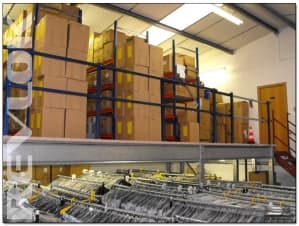
A free-standing mezzanine is supported entirely by its own steel columns and beams, transferring loads directly to the floor slab without relying on the building structure.
Benefits of Free-Standing Mezzanines
- Suitable for most warehouse buildings
- Greater flexibility for future modifications
- Can often be relocated if premises change
- Faster installation in many cases
- Minimal impact on the existing building
These advantages make free-standing mezzanines particularly popular in leased warehouses or growing businesses where future requirements may change.
Building-Supported Mezzanine Floors
A building-supported mezzanine floor uses elements of the existing building structure to help support the platform.
This can include:
- Structural steelwork
- Load-bearing walls
- Existing columns
Benefits of Building-Supported Mezzanines
- Potentially fewer support columns
- More integrated design
- Can maximise open floor space beneath the mezzanine
- Suitable for permanent installations
However, the building must be assessed to confirm it can safely support the additional loads.
Which Mezzanine Is Best for Warehouse Storage?
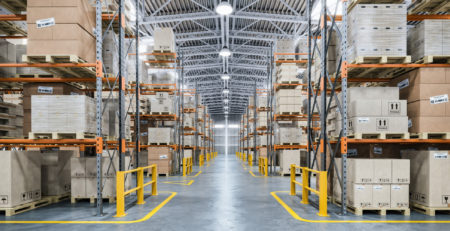
If the primary goal is increasing storage capacity, a free-standing mezzanine floor is often the most practical solution.
Storage mezzanines can be designed around:
- Pallet storage
- Shelving systems
- Bulk stock
- Archive storage
Because they are independent of the building structure, they offer flexibility if storage requirements change in the future.
Which Mezzanine Is Best for Warehouse Offices?
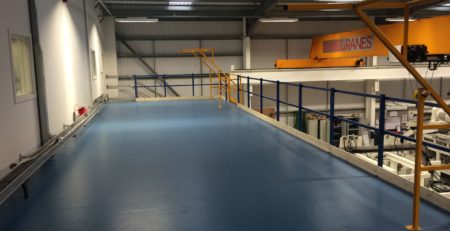
Where office space is being created within a warehouse, both free-standing and building-supported mezzanines can be suitable.
The best option depends on:
- Available floor space
- Building layout
- Future plans for the facility
In many cases, a free-standing mezzanine provides sufficient flexibility while still delivering a professional office environment.
Which Mezzanine Is Best for Growing Businesses?
Businesses planning for future growth often benefit from a free-standing mezzanine floor.
As operations evolve, the structure can often be:
- Extended
- Reconfigured
- Relocated
This flexibility helps protect the investment and allows the mezzanine to adapt alongside the business.
Factors to Consider When Choosing a Warehouse Mezzanine
When deciding which type of mezzanine floor is best, businesses should consider:
Intended Use
Will the space be used for storage, offices, production, or a combination of activities?
Load Requirements
Different applications require different load capacities.
Building Structure
Not every building can support a building-supported mezzanine.
Future Flexibility
Will the business need to expand, reconfigure, or relocate in the future?
Budget
The most cost-effective solution is often the one that delivers the greatest long-term value rather than the lowest initial cost.
Choosing the Right Warehouse Mezzanine Floor
There is no universal answer to which mezzanine floor is best for every warehouse.
For many businesses, a free-standing mezzanine floor offers the ideal combination of flexibility, adaptability, and ease of installation. For others, a building-supported solution may provide a more integrated long-term option.
The best results come from designing the mezzanine around how the warehouse operates rather than choosing a one-size-fits-all solution.
Bespoke Warehouse Mezzanine Floors
At Doity Engineering, we design and install warehouse mezzanine floors tailored to the specific needs of each client.
Whether a free-standing or building-supported mezzanine is the best fit, every structure is engineered for safety, compliance, and long-term performance.
By understanding the different options available, businesses can make an informed decision and maximise the potential of their existing warehouse space.
Frequently Asked Questions
What is the best type of mezzanine floor for a warehouse?
For many warehouses, a free-standing mezzanine floor is the best option because it offers flexibility, can be modified or relocated, and requires minimal reliance on the building structure.
Are free-standing mezzanine floors suitable for warehouse storage?
Yes. Free-standing mezzanine floors are commonly used for warehouse storage because they can support shelving, pallet storage, and bulk stock while remaining flexible for future changes.
Can a warehouse mezzanine floor be used for offices?
Yes. Mezzanine floors are frequently used to create office space within warehouses, allowing businesses to maximise their existing footprint.
Do building-supported mezzanines have advantages?
Yes. Building-supported mezzanines can reduce the number of support columns and create a more integrated design where the building structure is suitable.
How do I choose the right mezzanine floor for my warehouse?
The right mezzanine floor depends on your intended use, load requirements, building structure, future plans, and operational needs. A professional assessment can determine the most suitable solution.