
WHAT IS MEZZANINE FLOOR DESIGN?
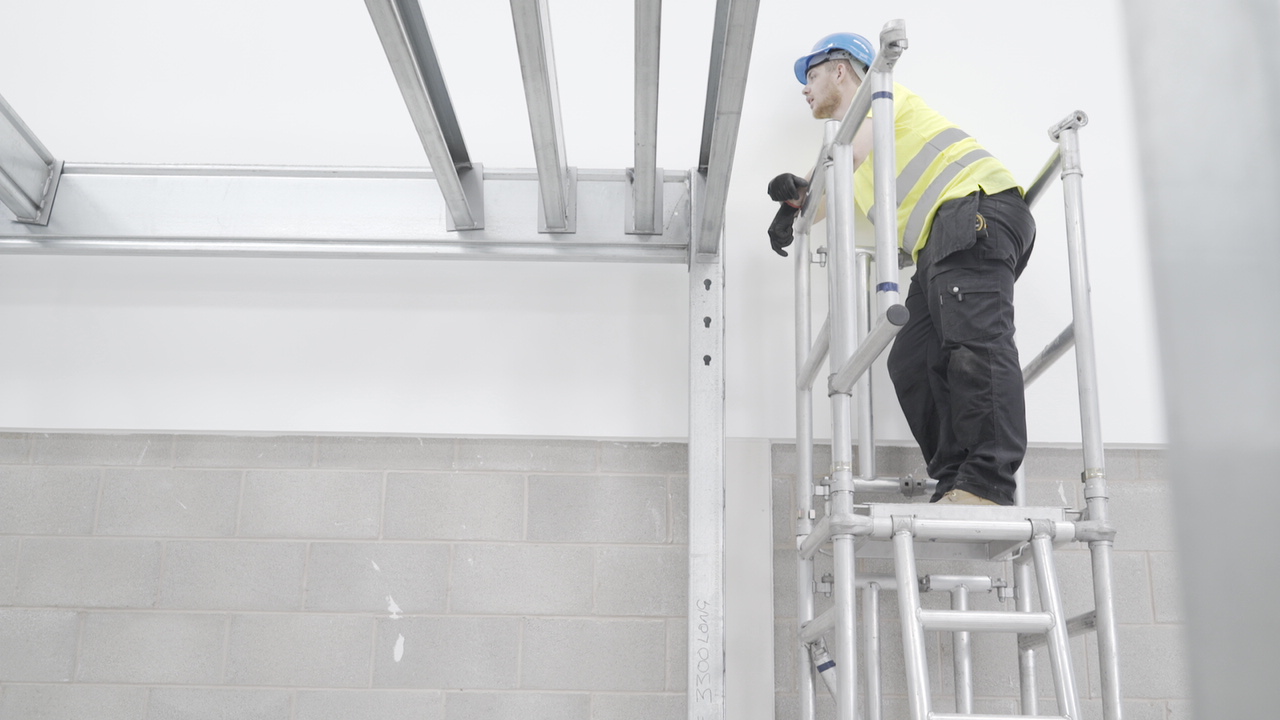
Mezzanine floor design is the process of planning and engineering a raised intermediate floor within an existing building to maximise usable space. The design stage considers structural load requirements, column placement, access points, fire safety and building regulations to ensure the mezzanine floor is safe, compliant and suited to its intended use.
MEZZANINE FLOOR DESIGN AT DOITY
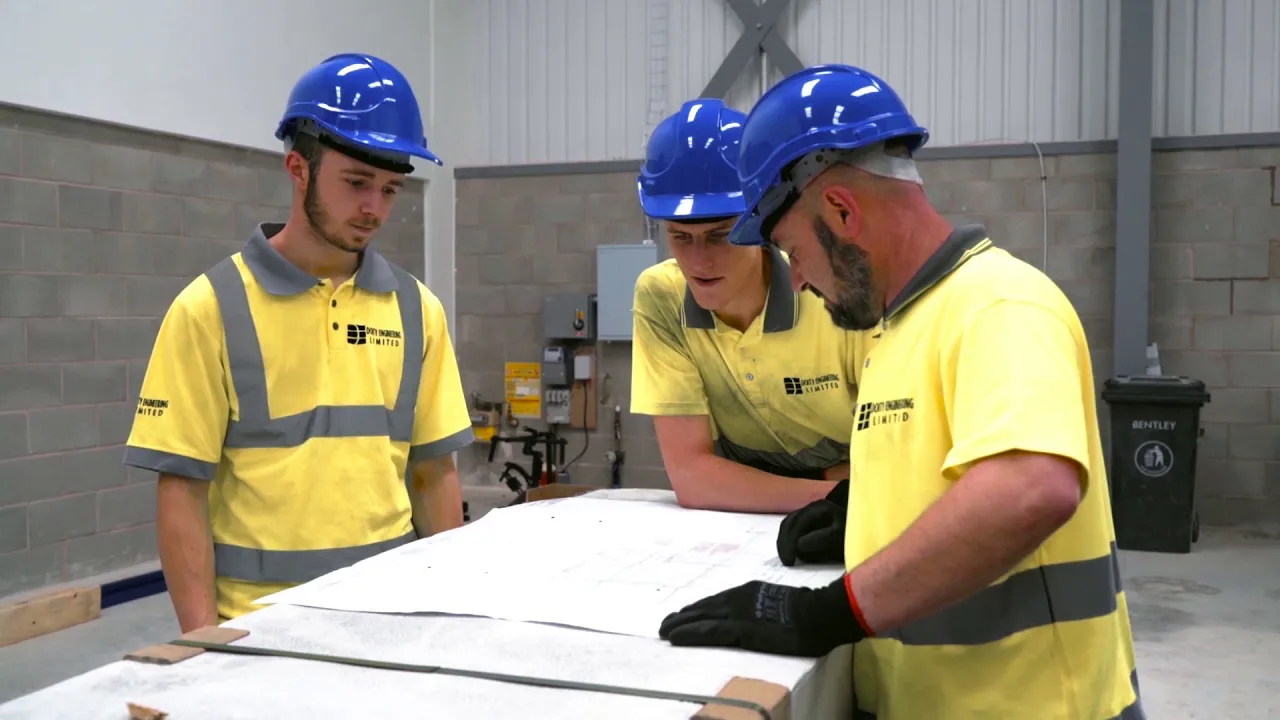
Each mezzanine floor that we install starts with a free no-obligation site survey. Our engineers will visit your site to discuss your requirements and your intended application to ensure that we design a mezzanine that will suit your needs. Using all of the information we’ve gained, we’ll provide you with detailed CAD-based drawings that can be used for building regulations approval, if required. We’ll also detail considerations such as load capacity and additional features that you require.
Why Revlok Mezzanine Floors?
GET IN TOUCH
Send Us A Message
Thank you for browsing our website. The best way to contact us to arrange a consultation is by calling 01706 646971 or by filling in the contact form on this page. We look forward to discussing your project in more detail.
Mezzanine Floor Examples
STANLEY SERVICES
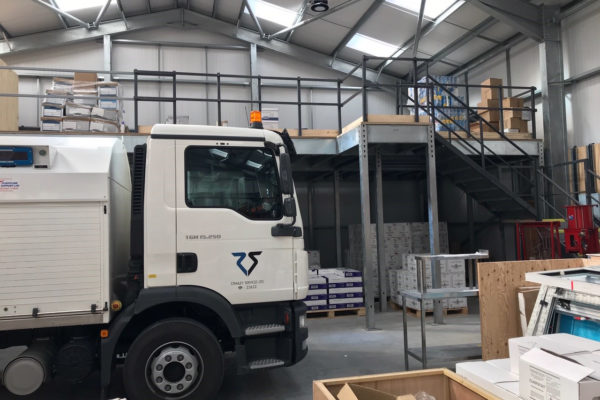
Stanley Services are a vital operation in the Falkland Islands, ensuring competitive fuel is readily available to the residents and fishing fleets that operate in and around the island’s waters. In addition, there is a large retail and white goods market, which requires considerable stock holding.
HDTWO
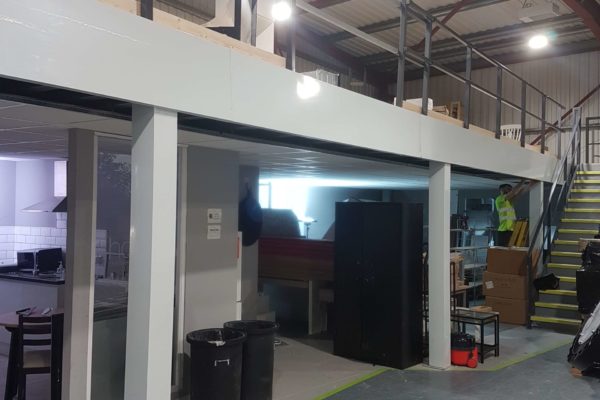
The customer “Adam Spencer” owner of HDTWO contacted Doity Engineering LTD for a mezzanine floor quotation, the customer got in contact with us from a recommendation from a company called “Excel Manufacturing”, (who we have previously installed two mezzanine floors).
DBN AUDILE
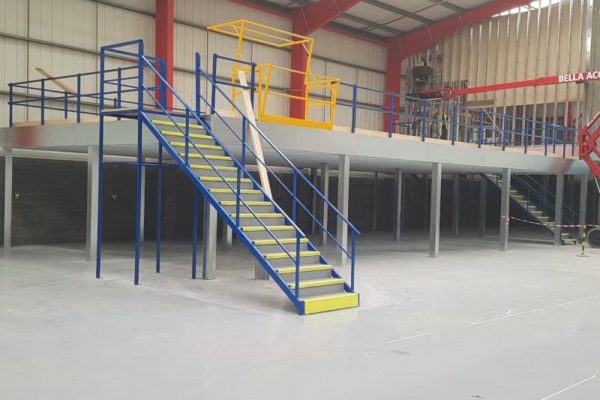
Having secured a large industrial unit in Trafford Park, Manchester DBN Audile found themselves needing more space. Their managing director contacted Doity with a view to installing around 300 square metres of fully fire-rated mezzanine flooring but with an exceptionally short lead time.
WHAT ARE THE BENEFITS OF MEZZANINE FLOORS?
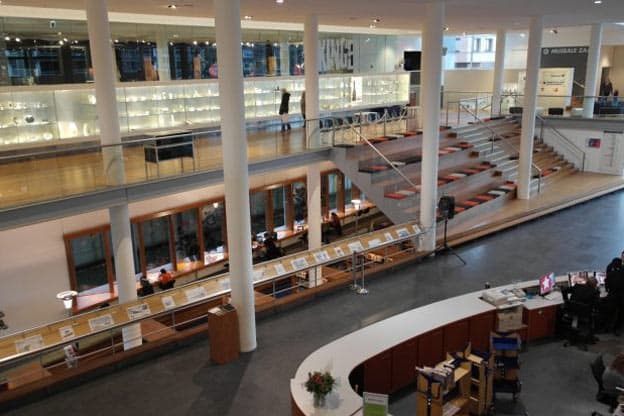
A mezzanine floor, for many, is the ideal solution as you are able to add additional space to your existing premises at a considerably reduced cost.
The key benefits include;
- Utility – each mezzanine floor is designed specifically to suit the intended application. This makes them suitable for a range of settings.
- Semi-permanent – because mezzanines aren’t built into the structure of the building, they are perfect for leased premises.
- Cost-effective – installing a mezzanine is one of the most affordable ways of adding additional floor space to your premises.
- Increased floor space – adding a mezzanine structure gives you additional floor space, whilst minimising the impact on the space beneath.
REQUEST A NO-OBLIGATION SITE SURVEY
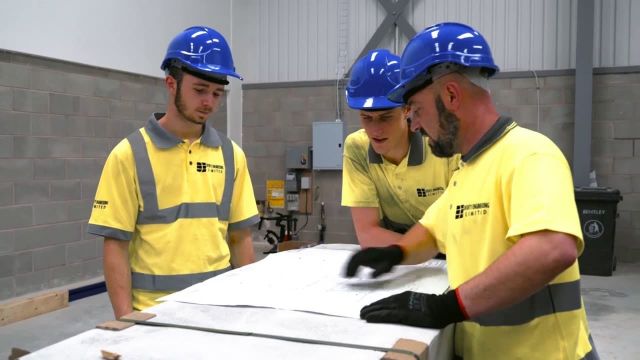
If you’re considering a mezzanine floor for your premises, get in touch with the team here at Doity Engineering. Our team are more than happy to discuss our products and solutions with you.
Mezzanine Floor Design FAQs
Mezzanine floor design is the process of planning and engineering a mezzanine structure to suit the layout, load requirements, and intended use of a building. The design stage considers structural calculations, building regulations, fire protection, access points, and how the mezzanine will integrate with existing operations.
Several factors influence mezzanine floor design, including available head height, load capacity requirements, column spacing, access points, fire protection measures, and the intended use of the mezzanine. These elements ensure the mezzanine is safe, compliant, and efficient within the building.
Yes. Structural calculations are an essential part of mezzanine floor design to ensure the structure can safely support the required loads. These calculations determine beam sizes, column placement, and overall structural integrity in line with UK Building Regulations.
Yes. Mezzanine floor design must comply with UK Building Regulations covering structural stability, fire safety, staircases, guarding, and means of escape. These regulations ensure the mezzanine floor is safe for its intended use.
The design stage for a mezzanine floor can vary depending on the size and complexity of the project. However, most mezzanine floor designs can be completed relatively quickly once a site survey and project requirements have been established.
Yes. Mezzanine floors can be designed for a wide range of uses, including storage, warehouse operations, offices, retail space, and production areas. The design is tailored to suit the specific requirements of the building and business.
To begin mezzanine floor design, information such as building dimensions, ceiling height, floor load requirements, intended use, and access points is typically required. A site survey is often carried out to gather accurate measurements and assess the building layout.
Yes. Existing mezzanine floors can often be modified, extended, or redesigned to suit new operational requirements. This may involve structural alterations, layout changes, or upgrades to meet current regulations.
Professional mezzanine floor design ensures the structure is safe, compliant with regulations, and optimised for the available space. A well-designed mezzanine floor maximises efficiency while minimising disruption to existing operations.