
What Safety Features Should a Mezzanine Floor Include?
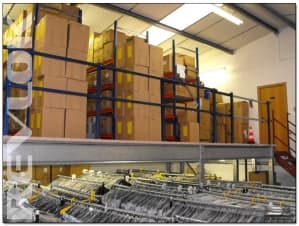
A mezzanine floor is a highly effective way to maximise unused vertical space in a warehouse, factory, or commercial building. By creating an additional level within an existing structure, businesses can significantly increase usable space without the cost and disruption of relocating.
However, because mezzanines create an elevated working area, safety must always be a key consideration during the design and installation process. A properly designed mezzanine floor should not only improve space utilisation but also provide a safe and compliant environment for employees, equipment, and stored goods.
At Doity Engineering, safety is built into every mezzanine floor we design and install. Understanding the essential safety features helps ensure your mezzanine floor operates safely and efficiently for years to come.
Key Safety Features of a Mezzanine Floor
A mezzanine floor should include several key safety features to protect workers and ensure compliance with building regulations. These typically include structural load-rated design, guardrails and edge protection, safe access staircases, pallet safety gates for loading areas, fire protection measures, anti-slip flooring, and adequate lighting. When properly designed and installed, these safety features ensure the mezzanine floor is safe, compliant, and suitable for long-term operational use.
Structural Load Capacity
The most fundamental safety factor of any mezzanine floor is its structural strength.
Every mezzanine must be designed to support the intended load, whether that involves storage, pallet racking, manufacturing equipment, or office space. Load requirements vary depending on how the space will be used.
Designing a mezzanine floor without accurately assessing load capacity can lead to safety risks, operational restrictions, or costly modifications later.
A professional mezzanine design should consider:
- Uniform distributed loads
- Point loads from equipment or racking
- Dynamic loads from people or moving equipment
Ensuring the correct load rating from the outset is essential for both safety and long-term usability.
Guardrails and Edge Protection
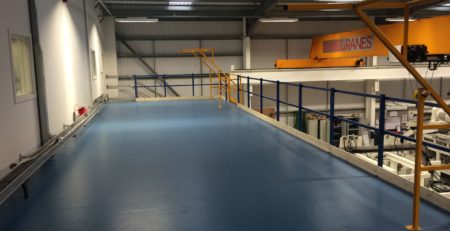
Any elevated platform must include proper edge protection to prevent falls.
Guardrails are typically installed around the perimeter of the mezzanine floor and generally consist of:
- A top handrail
- A mid-rail
- A toe board to prevent items falling to the level below
These safety barriers help protect employees working on the mezzanine while also preventing tools or materials from falling into operational areas below.
Safe Access Staircases
Access to the mezzanine floor should always be safe, secure, and easy to use.
Industrial staircases are specifically designed for this purpose and often include features such as:
- Anti-slip stair treads
- Secure handrails
- Consistent step height and depth
- Adequate width for safe movement of personnel
Positioning staircases in practical locations also helps maintain efficient workflow and clear escape routes.
Pallet Gates for Loading Areas
Where goods are moved between levels, pallet safety gates are an essential safety feature.
These gates allow forklifts to safely place pallets onto the mezzanine while preventing workers from being exposed to open edges. The gate system ensures that one barrier is always in place between the operator and the edge of the platform.
Without pallet gates, loading areas can present a significant fall risk.
Fire Protection and Means of Escape
Depending on the size and use of the mezzanine floor, fire protection measures may be required to meet UK building regulations.
These may include:
- Fire-rated ceilings beneath the mezzanine
- Fire protection systems
- Additional escape routes or staircases
- Emergency signage and lighting
The specific requirements depend on the mezzanine’s size, layout, and intended use. Proper planning ensures compliance while maintaining safe evacuation routes.
Non-Slip Flooring
Industrial environments can present slip hazards due to dust, moisture, or heavy foot traffic.
Using appropriate flooring materials or anti-slip surface finishes helps reduce the risk of slips and falls. Many mezzanine floors incorporate industrial-grade decking designed for durability and safe footing.
This is particularly important in warehouses and production environments where staff regularly move goods or equipment.
Adequate Lighting
Lighting is sometimes overlooked when installing a mezzanine floor, yet it plays a vital role in workplace safety.
If the structure blocks natural light or creates shadowed areas beneath the platform, additional lighting may be required to maintain visibility. Proper lighting helps employees carry out tasks safely and reduces the likelihood of accidents.
Professional Design and Installation
While individual safety features are important, the overall design and installation process plays the biggest role in ensuring a mezzanine floor is safe and compliant.
Working with an experienced mezzanine specialist ensures:
- The structure is properly engineered
- Safety features are integrated into the design
- Building regulations are addressed from the start
- Installation is completed to professional standards
This approach ensures the finished mezzanine floor is safe, durable, and built to support long-term operations.
Safety Built Into Every Mezzanine
A mezzanine floor should deliver more than just additional space, it should provide a safe and reliable working environment that supports your business operations.
At Doity Engineering, every mezzanine floor we design is built with safety, compliance, and durability in mind. From structural design to final installation, we ensure every project meets the highest standards.
Frequently Asked Questions
Do mezzanine floors need safety rails?
Yes. Mezzanine floors should include guardrails or edge protection to prevent falls. These normally consist of a top rail, mid-rail, and toe board installed around exposed edges.
Are pallet gates required on mezzanine floors?
Pallet safety gates are strongly recommended in areas where pallets are loaded or unloaded. They allow forklifts to transfer goods safely while preventing fall hazards for workers.
Do mezzanine floors need to comply with building regulations?
Yes. In the UK, mezzanine floors must comply with building regulations relating to structural safety, fire protection, staircases, escape routes, and edge protection.
What type of flooring is best for mezzanine safety?
Industrial mezzanine floors typically use heavy-duty decking with anti-slip surfaces to reduce the risk of slips and falls in busy working environments.
How can you ensure a mezzanine floor is safe?
The best way to ensure a mezzanine floor is safe is to have it professionally designed and installed by a specialist who understands structural requirements, safety standards, and compliance regulations.