
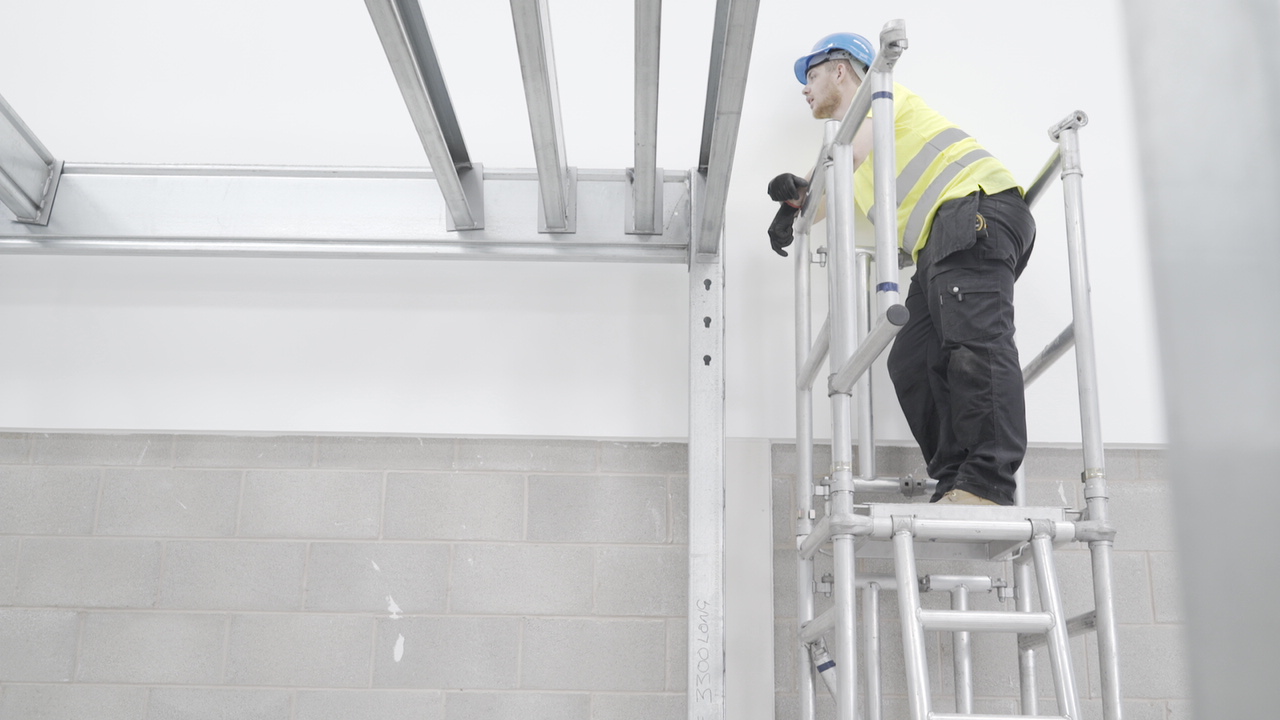
Common Mistakes Businesses Make When Installing a Mezzanine Floor
Installing a mezzanine floor is one of the smartest ways to unlock extra space without the cost and disruption of moving premises. But while mezzanines are a proven solution, problems often arise when key considerations are overlooked during the planning and installation process.
At Doity Engineering, we’re frequently asked to assess, modify, or even rectify mezzanine floors that haven’t been designed or installed correctly. Many of the issues we see are avoidable.
Here are the most common mistakes businesses make when installing a mezzanine floor, and how to avoid them.
1. Not Defining the Purpose Clearly Enough
One of the biggest mistakes is designing a mezzanine without a clear understanding of how it will be used.
A mezzanine designed for light storage won’t be suitable for heavy pallet racking, offices, or production areas. Similarly, a structure built for today’s needs may quickly become a limitation if future growth hasn’t been considered.
How to avoid it:
Define the intended use from day one, including load requirements, access needs, and how the space may need to evolve in the future. A well-designed mezzanine floor should support your business long term, not just solve a short-term issue.
2. Underestimating Load Requirements
Load capacity is critical, yet it’s often misunderstood or underestimated.
Installing a mezzanine that isn’t designed for the correct point loads, pallet weights, or live loads can lead to serious safety issues, operational restrictions, or costly remedial work later.
How to avoid it:
Work with a specialist who carries out a full structural assessment and designs the mezzanine specifically around how the space will be used, not just generic load assumptions.
3. Overlooking Building Regulations and Compliance
Mezzanine floors must comply with UK building regulations, including fire protection, means of escape, handrails, staircases, and guarding.
Failing to account for these requirements early can result in delays, redesigns, or non-compliant structures that can’t legally be used.
How to avoid it:
Ensure compliance is built into the design from the outset. A professional mezzanine installer will handle building regulations as part of the project, not treat them as an afterthought.
4. Choosing Price Over Quality
It’s understandable to compare quotes, but the cheapest option isn’t always the best value.
Lower-cost mezzanine systems can mean:
- Reduced load capacity
- Poor-quality materials
- Limited flexibility for future changes
- Inadequate installation standards
These issues often surface later, when modifications are needed or safety concerns arise.
How to avoid it:
Look beyond the initial cost and focus on quality, safety, and adaptability. A mezzanine floor is a long-term investment, it should be built to last.
5. Ignoring Future Expansion or Relocation
Businesses change, but many mezzanines are designed as fixed, permanent solutions.
If relocation, reconfiguration, or expansion becomes necessary, a poorly designed mezzanine can become a liability rather than an asset.
How to avoid it:
Choose a modular, relocatable mezzanine design where possible. This gives you flexibility to adapt the structure as your business grows or moves premises.
6. Poor Integration With Existing Operations
A mezzanine that looks good on paper doesn’t always work in practice.
Issues such as awkward column placement, restricted forklift movement, poor workflow, or inefficient access points can all impact productivity.
How to avoid it:
The design should be based on how your warehouse or workspace actually operates day to day. A good mezzanine enhances efficiency, it shouldn’t create bottlenecks.
7. Working With a Non-Specialist Installer
Not all steel fabricators or contractors specialise in mezzanine floors.
Lack of experience can lead to design flaws, compliance issues, longer installation times, and increased disruption to your operations.
How to avoid it:
Work with a specialist mezzanine floor provider who manages the entire process, from design and manufacturing through to installation and compliance.
Getting It Right From the Start
A mezzanine floor should be a seamless extension of your existing space — safe, efficient, and built around your business needs.
At Doity Engineering, we design and install bespoke mezzanine floors that are:
- Fully compliant
- Built for real-world use
- Designed with future flexibility in mind
- Installed efficiently to minimise disruption
Avoiding these common mistakes starts with the right partner.













Comments (2)
hello world
hello world
actigall
actigall
Comments are closed.