
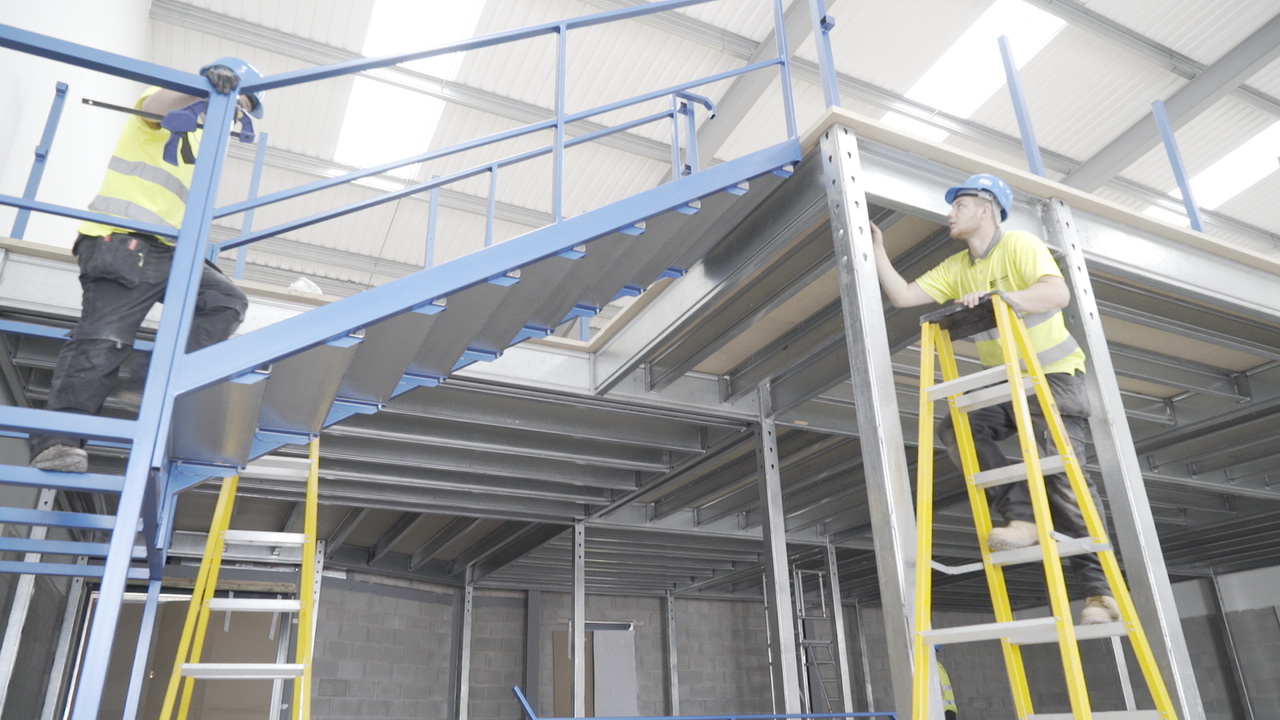
Can You Relocate a Mezzanine Floor Once Installed?
What Every UK Business Should Know Before Investing
Mezzanine floors are one of the most effective ways to maximise space within a building. But business needs change, and a common question we hear is: can a mezzanine floor be relocated once it’s been installed?
In most cases, yes, it can. However, how straightforward that process is depends on how the mezzanine was designed, installed, and maintained.
At Doity Engineering, we design mezzanine floors with flexibility in mind, helping businesses adapt their space as they grow. Here’s what you need to know.
Why Businesses Choose to Relocate a Mezzanine
Relocation often becomes an option when:
- Your business is expanding and needs a new layout
- You’re moving to a new premises and want to take your investment with you
- Operational workflows have changed
- Storage systems, racking or machinery requirements have evolved
A well-designed mezzanine doesn’t have to be a fixed solution, it can evolve with your business.
What Makes a Mezzanine Floor Relocatable?
Not all mezzanines are created equal. These are the key factors that determine whether relocation is possible and cost-effective:
Modular Design
A modular mezzanine system is far easier to dismantle and reinstall. Doity’s Revlok system is engineered to be assembled and disassembled efficiently, making it ideal for businesses that value long-term flexibility.
Traditional welded or bespoke steelwork, by contrast, can be far more difficult, and costly, to move.
Condition of the Structure
A mezzanine that has been properly installed and maintained is more likely to be reused. Structural components such as columns, beams and decking must be in good condition and suitable for continued use.
Compatibility with the New Space
The new building must be able to accommodate the mezzanine’s size, height, and load requirements. Differences in ceiling height, floor strength, or layout may mean adjustments are needed, but reuse is often still possible.
When Relocating a Mezzanine Makes Sense
Relocating a mezzanine is usually a smart option when:
- You’re moving into a similar or larger building
- The existing structure was designed with modularity in mind
- You want to reduce costs by reusing steelwork
- You need to reconfigure space rather than start from scratch
In these cases, relocation can offer significant savings compared to installing a brand-new mezzanine.
When a New Mezzanine Might Be the Better Option
Relocation may be less suitable if:
- The new building has very different dimensions or constraints
- The mezzanine is older or wasn’t designed for reuse
- Your operational needs have changed significantly
- Upgrading load capacity or fire protection is more cost-effective with a new design
That’s why a professional assessment is always recommended before making a decision.
How Doity Engineering Supports Mezzanine Relocation
At Doity, we don’t see mezzanines as one-off installations. We see them as long-term assets.
If you’re considering relocating your mezzanine, we can:
- Carry out a site survey of both the existing and new space
- Review structural capacity, compliance, and layout requirements
- Carefully dismantle and protect reusable components
- Reinstall and reconfigure the mezzanine to suit its new environment
- Ensure everything meets current UK building regulations and safety standards
Because our systems are modular and engineered in-house, we’re able to adapt efficiently and safely.
Final Thought
A mezzanine floor doesn’t have to stay in one place forever. With the right design and the right installer, it can move and adapt as your business does.
If flexibility is important to you, whether now or in the future, choosing a modular, well-engineered solution from an experienced supplier like Doity Engineering is key.
Thinking about relocating a mezzanine floor? Get in touch with Doity today for expert advice and a free site survey tailored to your space.
People Also Ask: Mezzanine Floor Relocation FAQs
Not all mezzanine floors are suitable for relocation. Modular mezzanine systems are far easier to dismantle and reuse, while older or welded structures may be difficult or uneconomical to move. A professional assessment is always recommended before making a decision.
In many cases, relocating a mezzanine floor can be more cost-effective, particularly if the existing structure is modular and in good condition. However, if your new space has very different requirements, a new mezzanine may offer better long-term value.
Yes, mezzanine floors can often be moved to a new building. The new premises must have sufficient height, floor strength, and layout to support the structure. Minor design adjustments are sometimes needed to ensure compliance and suitability.
Yes. Even if the mezzanine has been used before, it will need to comply with current building regulations in its new location. This includes structural safety, fire protection, access, and escape routes.
Timescales vary depending on size and complexity, but modular mezzanine systems can often be dismantled and reinstalled within a few days. Proper planning and an experienced installer help minimise disruption.
In some cases, yes. Load capacity can be reassessed and increased by modifying beam spacing, columns, or decking. This must always be carried out by a qualified engineer to ensure safety and compliance.
Well-designed mezzanine floors retain significant value, especially modular systems. Being able to reuse the structure in a new location helps protect your investment over time.














Comments (27)
dapoxetine tablet
dapoxetine tablet
metoprolol brand
metoprolol brand
fluconazole 150
fluconazole 150
tetracycline hydrochloride
tetracycline hydrochloride
macrobid 100 mg capsule
macrobid 100 mg capsule
nexium otc ireland
nexium otc ireland
vidalista black 80 australia
vidalista black 80 australia
viagra kidney pain
viagra kidney pain
semaglutide vs tirzepatide long term side effects
semaglutide vs tirzepatide long term side effects
fincar 5mg hair loss
fincar 5mg hair loss
propecia costco
propecia costco
xenical tablets reddit
xenical tablets reddit
does proscar raise blood pressure
does proscar raise blood pressure
flagyl fa davis
flagyl fa davis
minoxidil dry mouth
minoxidil dry mouth
saxenda liraglutide and wegovy semaglutide
saxenda liraglutide and wegovy semaglutide
ketoconazole mechanism medical guide
ketoconazole mechanism medical guide
toradol for back pain
toradol for back pain
ivermectin strongyloides parasite clearance
ivermectin strongyloides parasite clearance
minoxidil mechanism absorption link
minoxidil mechanism absorption link
minoxidil men’s treatment breakdown
minoxidil men’s treatment breakdown
PDE5 inhibitor PK food impact
PDE5 inhibitor PK food impact
vardenafil food interaction behavior
vardenafil food interaction behavior
avanafil pricing spectrum
avanafil pricing spectrum
orlistat food intake rules
orlistat food intake rules
amoxicillin adverse symptoms
amoxicillin adverse symptoms
Alcohol Effects on Drug Timing
Alcohol Effects on Drug Timing
Comments are closed.