
Your Questions on Mezzanine Floors
Over the years, I’ve had countless conversations with business owners, warehouse managers, and operations teams about mezzanine floors. And while every project is unique, the same questions come up time and again.
I thought it would be useful to pull together the most common queries I hear, and share my answers based on decades of experience at Doity Engineering.
1. What exactly is a mezzanine floor?
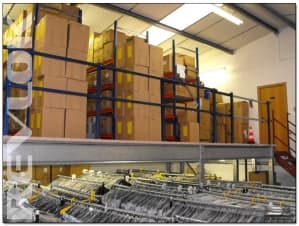
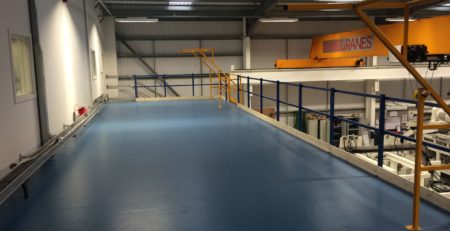
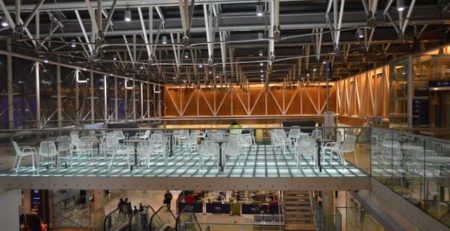
Put simply, a mezzanine is a raised platform that creates an extra level inside your existing building. Think of it as a cost-effective way to use the vertical space that’s often wasted in a warehouse.
Because mezzanines are freestanding, they don’t need major building work. They can also be extended, altered, or relocated if your business moves, something that appeals to a lot of our clients.
2. Do I need planning permission for a mezzanine?
This is one of the most common worries, but in most cases the answer is no. If the mezzanine is completely internal and doesn’t change the outside of your building, you’re unlikely to need planning permission.
The exception would be if you’re in a listed building or conservation area. What you will always need, however, is building regulations approval, and that’s something my team at Doity handles from start to finish.
3. How long does it take to install a mezzanine floor?
Traditional mezzanine floors can take weeks, but with our patented Revlok modular system, we can cut installation time by up to 50%.
In practice, this often means we’re in and out in just a few days, causing far less disruption to your operations.
4. How much do mezzanine floors cost?
This is a tough one to answer without looking at your space, as the price depends on size, load requirements, finishes, and safety features.
That’s why we always offer a free site survey before providing a quote. It gives you a clear idea of costs upfront, with no obligation.
5. Are mezzanines safe?
Absolutely, provided they’re designed, built, and installed to the right standards. Safety features we include as standard are:
- Guardrails and handrails.
- Kick plates to stop items being knocked over the edge.
- Non-slip flooring.
- Pallet gates for safe loading.
- Clearly marked escape routes and lighting.
Our mezzanines are CE-marked, ISO 9001 certified, and built to last.
6. Can a mezzanine really handle heavy loads?
Yes, mezzanines can be designed for a wide range of load capacities, from light office use through to heavy-duty storage and machinery. We work closely with you to understand how the space will be used so we can engineer the right solution.
7. Why choose Doity Engineering?
This is my favourite question. At Doity, we’ve been designing and installing mezzanines across the UK for decades. Our Revlok system is unique to us, making installation quicker, cleaner, and more flexible than traditional builds.
But what really sets us apart is our approach. We don’t just “fit a floor”, we provide a solution tailored to your business. From initial survey and CAD design through to installation and compliance, we take care of everything.
Final Thought
If you’re running out of space, a mezzanine could be the most cost-effective way to expand. It’s quicker, more flexible, and far less disruptive than moving or extending your building.
And if you’ve got more questions, well, I’m always happy to talk mezzanines.
👉 [Get in touch today to arrange your free site survey]
— Richard, Owner of Doity Engineering