
A well-built mezzanine floor is designed to last for decades, but like any structural system, it performs best when inspected and maintained regularly. Proper maintenance not only extends the lifespan of your floor but also ensures ongoing safety and compliance with building regulations.
Routine Inspection Schedule
We recommend the following inspection intervals for all mezzanine installations:
|
Frequency |
Inspection Type |
What to Check |
|
Weekly / Monthly |
Visual check by site staff |
Obvious damage, loose fixings, overloading, blocked access routes. |
|
Quarterly |
Basic maintenance review |
Condition of decking, handrails, stair treads, and safety barriers. |
|
Annually |
Full structural inspection |
Column connections, weld integrity, deflection, corrosion, and fire protection systems. |
Key Areas to Inspect
Bolted Connections & Fixings: Ensure all bolts, brackets, and cleats remain tight and free from corrosion.
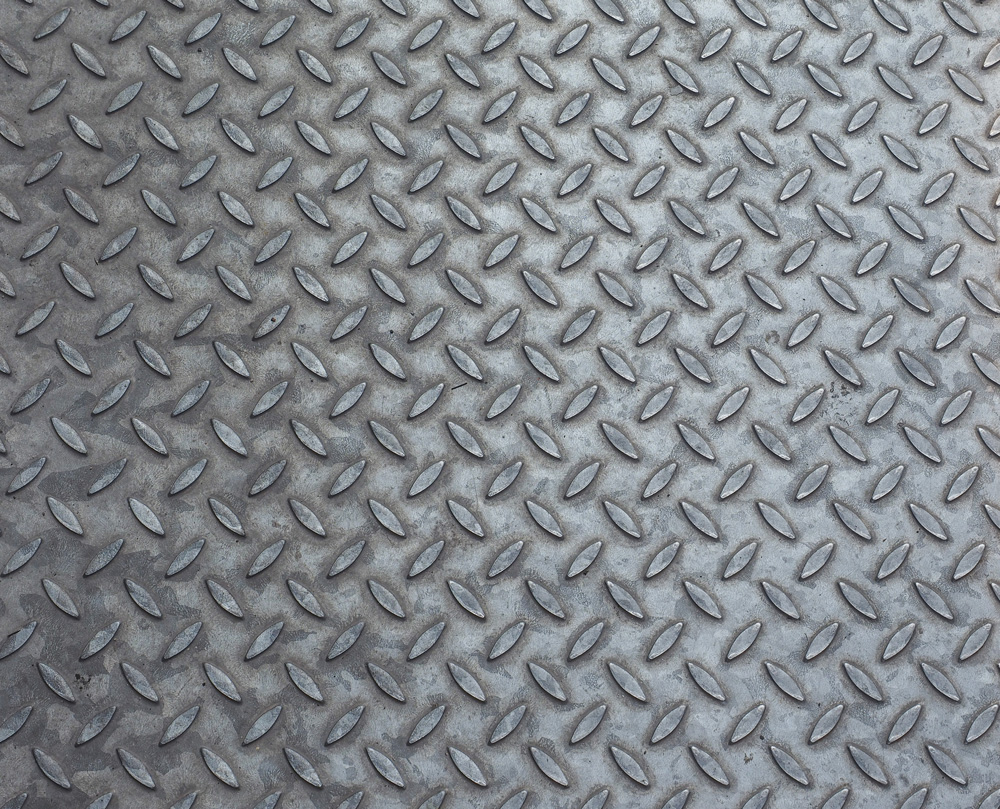
Decking Surface: Check for damage, delamination, or oil contamination that could affect slip resistance.
Columns & Beams: Look for dents, rust, or deformation. Any sign of bending or cracking should trigger an immediate professional review.
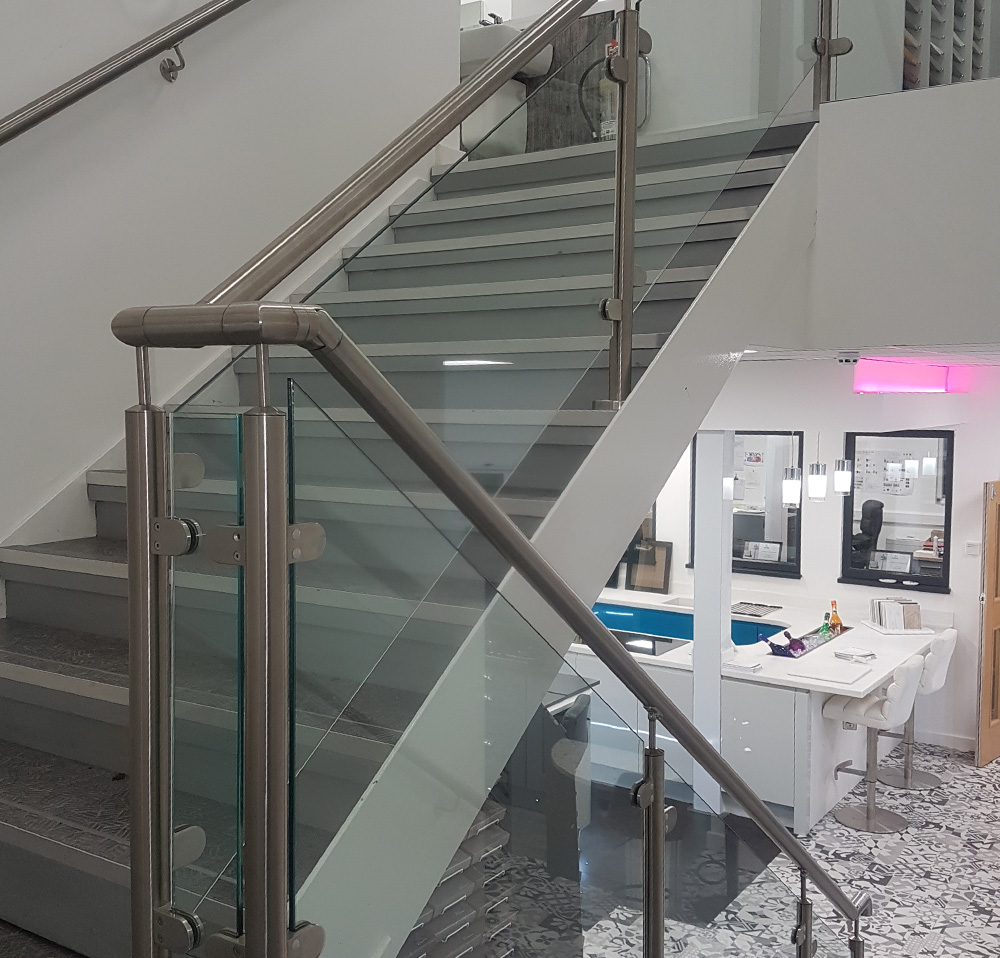
Handrails & Barriers: Confirm that rails and kickplates are secure and meet height regulations.
Staircases: Inspect treads, nosings, and balustrades for wear and tear.
Fire Protection Systems: Verify that fire cladding, column casings, and ceilings remain intact and compliant.
Maintenance Best Practices
Keep mezzanine areas free from excessive loads beyond the rated design capacity.
Avoid drilling or cutting into structural members without engineering approval.
Clean decking surfaces regularly to prevent dust and debris buildup.
Repaint or re-galvanise exposed steelwork when corrosion is observed.
Document all inspections and maintenance activities — this helps demonstrate compliance for insurance and building control.
Professional Servicing
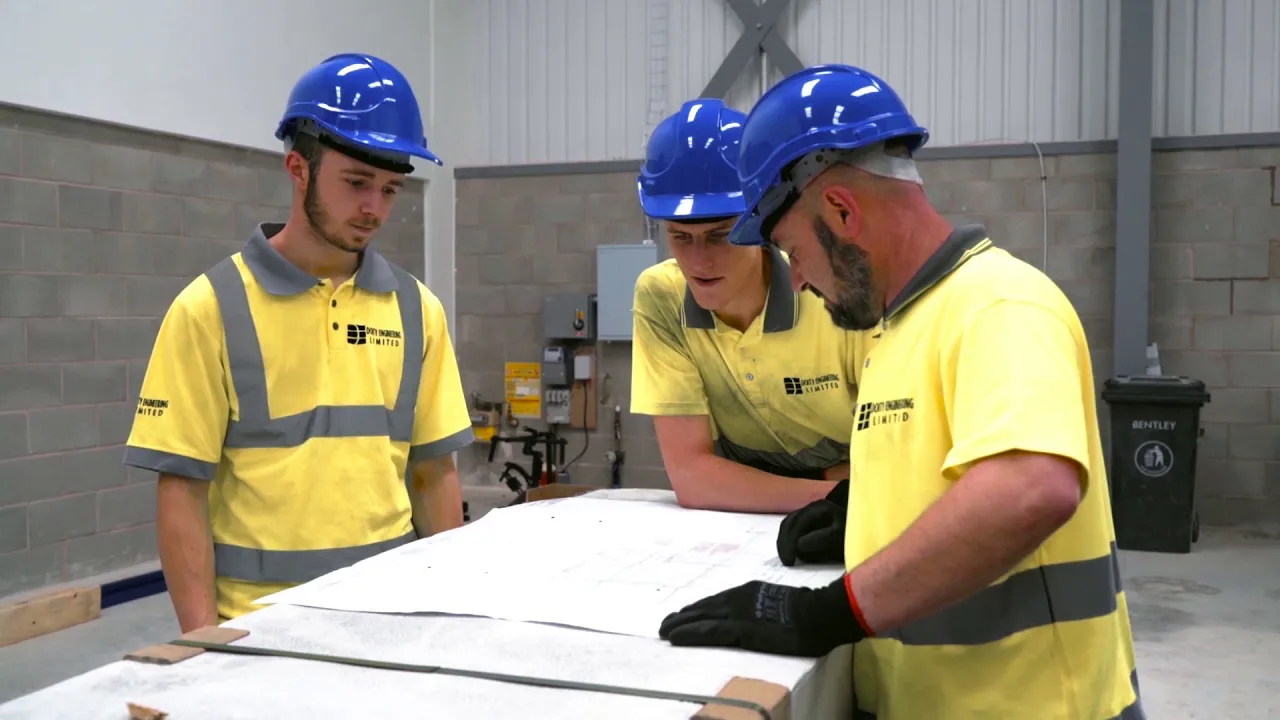
Doity offers annual maintenance contracts and safety audits for existing mezzanine floors — even if they were installed by another provider. Our engineers will inspect, test, and certify the structure, ensuring your floor remains safe and compliant for years to come.
Why Revlok Mezzanine Floors?
Mezzanine Floor Maintenance FAQs
We recommend a visual inspection every month by site staff, and a comprehensive structural inspection annually by a qualified engineer. Frequent checks help identify minor issues, like loose bolts or minor corrosion, before they become costly repairs.
Yes. Although mezzanines are low-maintenance by design, they still require routine care to ensure long-term performance and safety. Regular cleaning, bolt tightening, repainting, and checking of safety features (like handrails and stairs) are essential.
Basic visual inspections can be performed by trained facility staff. However, structural inspections must be carried out by a competent engineer or the original mezzanine manufacturer to verify load integrity, connections, and compliance with regulations such as BS EN 1090 and Building Regulations Part K.
Common warning signs include:
- Sagging or noticeable deflection in beams or decking
- Rust or corrosion on steel members
- Loose handrails, bolts, or column fixings
- Creaking sounds under load
- Damage to decking or fire protection materials
If you notice any of these issues, contact a qualified inspector immediately.
In most cases, yes, mezzanine floors are modular and can be reconfigured or moved to new premises. However, any modification should be re-engineered to confirm it still meets load, fire, and access regulations.
Yes. All mezzanine floors must comply with local Building Regulations (covering structure, fire protection, and access). After installation or major alteration, it’s good practice to retain updated certification or inspection records as proof of compliance.
While there’s no fixed legal interval for recertification, many insurers and facility managers request a 5-year recertification cycle, especially in high-traffic or industrial environments. Regular inspections and documented maintenance records make this process straightforward.
Absolutely. Our engineers provide independent inspection and certification services for any mezzanine system, regardless of the original manufacturer. We’ll assess load capacity, safety features, and compliance, and issue a detailed maintenance report.
REQUEST A NO-OBLIGATION SITE SURVEY
If you’re considering a mezzanine floor for your premises, get in touch with the team here at Doity Engineering. Our team are more than happy to discuss our products and solutions with you.